

Buying or selling property involves more than just signing documents—it requires a clear understanding of property transfer laws. These laws govern how ownership of property moves from one person to another and ensure that every transaction is legally valid and transparent. Understanding property transfer laws easily helps both buyers and sellers protect their rights, avoid disputes, and complete transactions smoothly.
What Are Property Transfer Laws?

Property transfer laws are legal rules that define the process of transferring ownership of land, houses, or commercial buildings. They outline the documentation, registration, and payment procedures required to make a property transaction official.
Importance of Understanding Property Transfer Laws Easily
By understanding property transfer laws easily, you can make sure that your property transactions comply with legal requirements. It prevents fraud, ownership conflicts, and tax-related issues. It also ensures that both parties—buyer and seller—know their responsibilities during and after the transfer.
Key Elements of Property Transfer
Ownership Transfer Process
Understanding property transfer laws easily begins with knowing the step-by-step process. Ownership transfer typically involves:
- Agreement to sell between buyer and seller
- Verification of property documents
- Payment of stamp duty and registration charges
- Execution and registration of sale deed
Legal Documents Required
Some essential documents required for property transfer include:
- Sale deed or gift deed
- Encumbrance certificate
- Property tax receipts
- Title deed
- Identity proofs of buyer and seller
Having these documents ready helps in understanding property transfer laws easily and executing transactions without legal trouble.
Types of Property Transfer
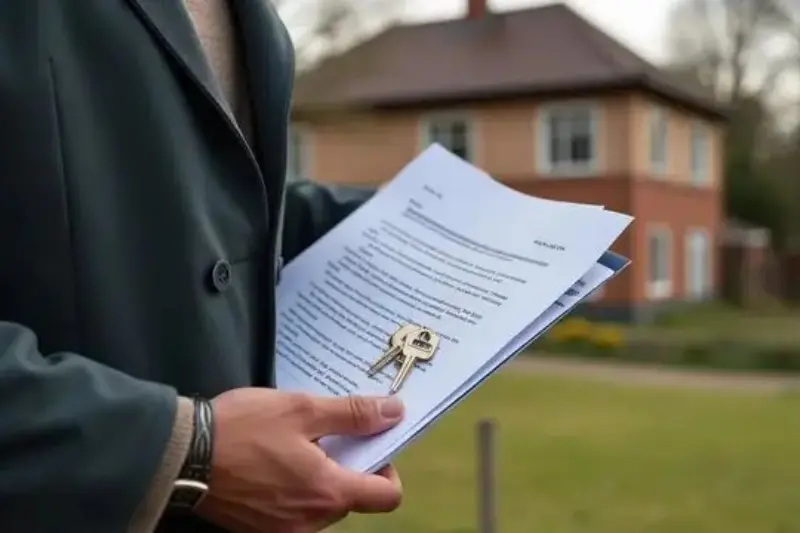
Sale of Property
A property sale is the most common form of transfer. It involves exchanging ownership for a monetary value. The sale deed must be registered with the local sub-registrar to make it legally valid.
Gift Transfer
You can transfer property to another person without financial exchange through a registered gift deed. Understanding property transfer laws easily in this context helps you ensure that both donor and receiver meet all legal conditions.
Inheritance
Property transfer through inheritance occurs when ownership passes to legal heirs after the owner’s death. A registered will or succession certificate helps establish rightful ownership.
Exchange of Property
Property exchange happens when two property owners swap their properties. This type of transfer also requires a registered deed and payment of applicable taxes.
Lease or Rental Transfer
Leasing gives another person the right to use your property for a fixed period in exchange for rent. Although ownership doesn’t change, understanding property transfer laws easily ensures compliance with lease registration rules.
You may also like to read these posts:
Simple Guide to Mortgage and Home Loans for Beginners
Smart Home Budgeting Ideas for New Homeowners
Smart Ways on How to Save Money on Home Financing
Learn basic real estate legal terms for beginners
Legal Requirements in Property Transfer
Registration Under Property Law
Property transfer is not complete without registration. According to property law, all transactions involving immovable assets must be registered at the local registrar’s office. Understanding property transfer laws easily helps you avoid penalties for unregistered transactions.
Stamp Duty and Taxes
Every property transfer attracts stamp duty, which is a government tax on legal documents. The rate varies by location and property value. Buyers must pay stamp duty and registration fees before ownership is transferred.
Verification of Title Ownership
Before buying or receiving property, verify that the seller has a clear and marketable title. This prevents disputes over ownership later. Title verification is one of the most crucial aspects when understanding property transfer laws easily.
Rights and Responsibilities of Buyers and Sellers
Rights of the Buyer
- To receive property free from encumbrances
- To inspect all legal documents before purchase
- To get legal possession after registration
Responsibilities of the Buyer
- To pay full consideration and government taxes
- To ensure proper registration of the sale deed
- To verify that the property is not under legal dispute
Rights of the Seller
- To receive the full sale price as agreed
- To transfer the property without coercion
- To get acknowledgment of transfer from the buyer
Responsibilities of the Seller
- To provide truthful details about ownership and liabilities
- To hand over all documents to the buyer after registration
- To clear any pending dues before transfer
Understanding property transfer laws easily helps both buyers and sellers protect these rights and fulfill their responsibilities efficiently.
Common Legal Issues in Property Transfer
Disputes Over Ownership
Ownership disputes arise when multiple parties claim the same property. Checking legal documents and registration history is essential for avoiding such problems.
Unregistered Sale Deeds
Unregistered documents have no legal value. Understanding property transfer laws easily makes it clear that only registered deeds are recognized by courts.
Fake or Forged Documents
Property fraud is a serious issue. Always cross-verify ownership and encumbrance certificates through official government portals.
Delayed Possession
Sometimes, buyers face delays in taking possession of property. To prevent this, agreements must specify possession timelines clearly.
Steps to Ensure a Legal and Safe Property Transfer
Step 1: Verify the Property Title
Always start by verifying ownership records. Obtain the title deed and encumbrance certificate to confirm the seller’s legal right to sell.
Step 2: Draft a Legal Agreement
Create a detailed sale or transfer agreement stating terms, conditions, payment details, and possession date. Both parties should sign it in front of witnesses.
Step 3: Pay Stamp Duty and Registration Charges
Before registration, pay the required stamp duty and fees. Understanding property transfer laws easily helps you calculate these charges accurately.
Step 4: Register the Deed
Submit all documents to the sub-registrar’s office for official registration. Both buyer and seller must be present with their ID proofs.
Step 5: Update Property Records
After registration, update ownership details in municipal records to ensure that taxes and future documents reflect the new owner’s name.
Importance of Legal Advice in Property Transfer
Consulting a Legal Expert
Consulting a property lawyer is the best way to ensure compliance with property transfer laws. They can verify documents, draft agreements, and guide you through the legal formalities.
Avoiding Legal Mistakes
A legal expert helps you avoid costly mistakes like missing stamp duty payments or incomplete documentation, ensuring a smooth transfer process.
Government Regulations and Digital Advancements
Online Property Registration
Many regions now offer online registration systems that make understanding property transfer laws easily more convenient. Buyers and sellers can submit documents digitally and pay fees online.
E-Stamping
E-stamping is a secure and quick method of paying stamp duty electronically. It reduces fraud and saves time.
Digital Record Verification
Property records are now digitized, allowing you to verify title, ownership history, and encumbrance status from government websites. This makes property transactions transparent and safe.
Protecting Yourself During Property Transfer
Keep All Records
Maintain copies of all documents including agreements, receipts, and registration proofs. These are essential in case of legal disputes.
Verify Seller’s Identity
Before finalizing any deal, verify the seller’s ID and confirm that they are the rightful owner of the property.
Ensure Legal Compliance
Understanding property transfer laws easily ensures that every step—from agreement to registration—follows legal procedure. Non-compliance can result in fines or loss of ownership rights.
FAQs
What is the first step in property transfer?
The first step is verifying ownership through title deeds and encumbrance certificates to ensure the property is legally transferable.
Why is property registration important?
Registration legally confirms ownership and prevents future disputes or fraudulent claims.
How much is the stamp duty for property transfer?
Stamp duty varies by state or region and is usually calculated as a percentage of the property’s market value.
Can I transfer property without a lawyer?
Yes, but it’s recommended to consult a legal expert to avoid mistakes and ensure all legal requirements are met.
What happens if property transfer is not registered?
Unregistered property transfers are invalid in the eyes of the law and cannot be enforced in court.
Conclusion
Understanding property transfer laws easily is vital for anyone involved in real estate transactions. Whether you are buying, selling, or inheriting property, knowing the legal process protects you from fraud and future disputes. Always verify documents, pay required fees, register the transfer, and seek professional legal help when needed. With proper knowledge and due diligence, you can handle property transfers confidently and securely.