

Buying a home is one of the biggest financial decisions you’ll ever make. However, for most people, purchasing a property outright is not possible without financial assistance. That’s where mortgages and home loans come into play. This simple guide to mortgage and home loans will help you understand the basics, types, terms, and strategies to manage your loan effectively so you can make confident decisions about your dream home.
What Is a Mortgage?
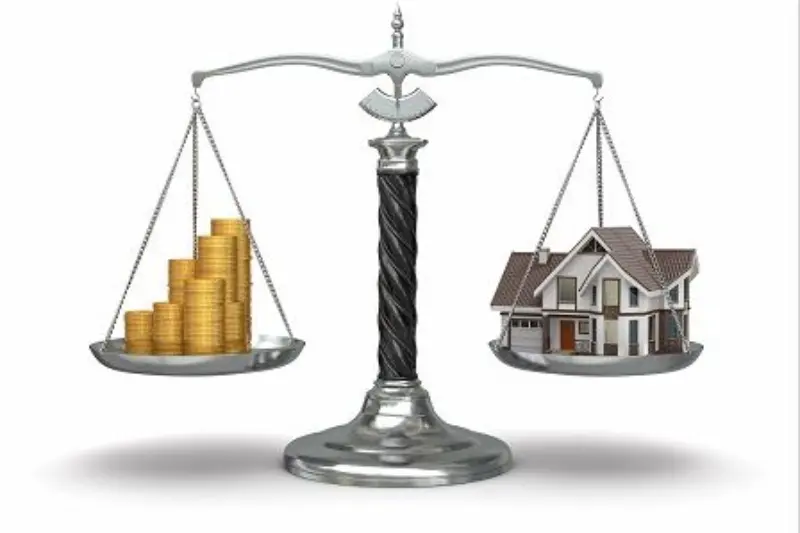
Simple guide to mortgage and home loans -A mortgage is a type of loan specifically designed for purchasing real estate. When you take a mortgage, a lender (usually a bank) provides you with the money to buy a property, and you agree to repay the loan with interest over a set period.
How a Mortgage Works
Simple guide to mortgage and home loans -When you take a mortgage, the property acts as collateral. This means if you fail to make your payments, the lender has the right to take ownership of the property through a process called foreclosure. In exchange for the loan, you make monthly payments consisting of principal (the loan amount) and interest (the lender’s fee).
Why Understanding Mortgages Matters
Simple guide to mortgage and home loans -Understanding how mortgages work is essential because it helps you make smarter financial choices, such as selecting the right interest rate, repayment term, and lender that fits your long-term financial goals.
What Is a Home Loan?
A home loan is essentially the same as a mortgage but can cover various purposes beyond buying a new property.
Types of Home Loans
There are several types of home loans available depending on your needs:
- Home Purchase Loan: Used to buy a new or pre-owned home.
- Home Construction Loan: For individuals who want to build their own house on a piece of land.
- Home Improvement Loan: Helps fund renovation or repair work on your existing home.
- Home Extension Loan: Allows homeowners to add more space or rooms to their property.
Each of these loans has different eligibility criteria and repayment structures. Understanding them is part of mastering this simple guide to mortgage and home loans.
Key Terms You Should Know
Before diving into a home loan, it’s crucial to understand some common mortgage terms.
Principal
The total amount borrowed from the lender, which you’ll repay with interest over time.
Interest Rate
The percentage charged by the lender on the principal amount. It determines how much extra you’ll pay over the life of the loan.
EMI (Equated Monthly Installment)
A fixed monthly payment that includes both the principal and interest components.
Tenure
The total duration of your loan repayment, typically ranging from 10 to 30 years.
Collateral
The property you purchase serves as collateral, ensuring the lender’s security.
Types of Mortgage Options

There are different types of mortgages to suit various financial situations.
Fixed-Rate Mortgage
In this type, the interest rate remains constant throughout the loan tenure. It provides stability in payments, making it easier to plan your budget.
Adjustable-Rate Mortgage (ARM)
Here, the interest rate fluctuates according to market conditions. It may start with a lower rate, which can later increase or decrease.
Government-Backed Mortgage
Some governments offer programs that help first-time buyers or low-income families get affordable loans. Examples include FHA, VA, or USDA loans (varies by country).
Interest-Only Mortgage
In this type, you pay only the interest for a certain period, after which you start repaying the principal. While it reduces initial payments, the total interest paid is usually higher.
How to Choose the Right Home Loan
Choosing the best loan requires analyzing your financial goals, credit history, and repayment ability.
Evaluate Your Budget
Assess how much you can afford for down payments, monthly EMIs, and maintenance costs. Never borrow more than what you can comfortably repay.
Compare Interest Rates
Shop around and compare rates from different banks or lenders. Even a small difference in interest rates can lead to big savings over time.
Check Loan Eligibility
Your income, credit score, employment status, and age play a major role in loan approval. Ensure your credit report is clean and updated before applying.
Understand the Terms
Carefully read the fine print about prepayment charges, penalties, and additional fees. A truly simple guide to mortgage and home loans always emphasizes understanding every clause before signing.
Steps to Apply for a Home Loan
Step 1: Prepare Documents
You’ll need documents such as ID proof, income statements, tax returns, and property papers.
Step 2: Submit Loan Application
Apply online or at a bank branch by providing accurate details about your financial status.
Step 3: Loan Processing and Verification
The lender will verify your documents, check your creditworthiness, and assess the property’s value.
Step 4: Loan Approval and Agreement
Once approved, you’ll receive a sanction letter detailing the amount, interest rate, and tenure.
Step 5: Disbursement
The loan amount is transferred either to your account or directly to the property seller’s account.
You may also like to read these posts:
Latest Real Estate Insights and Analysis 2025
Housing Market Insights for 2025 Buyers
Real Insights into Property Value Growth 2025
Expert Real Estate Insights for Investors 2025
Managing Your Mortgage Payments
Automate Payments
Set up auto-debit options to ensure timely EMI payments and avoid late fees.
Refinance When Necessary
If interest rates drop, consider refinancing to lower your EMI or reduce your tenure.
Make Extra Payments
Paying extra when possible can shorten your loan duration and save you thousands in interest.
Maintain a Good Credit Score
Timely payments boost your credit score, which helps you get better financial offers in the future.
Common Mistakes to Avoid
Not Comparing Lenders
Many borrowers choose the first offer they get. Always compare multiple lenders to get the best rate.
Ignoring Additional Costs
Apart from EMIs, there are processing fees, legal charges, insurance, and maintenance costs.
Borrowing Too Much
Taking a large loan amount can lead to financial stress. Keep your EMI within 30–40% of your monthly income.
Not Reading the Fine Print
Always understand the terms before signing the loan agreement to avoid surprises later.
Benefits of Home Loans
Build Equity
As you repay your mortgage, your ownership in the property increases, adding to your net worth.
Tax Benefits
Many governments offer tax deductions on interest and principal payments for home loans.
Improve Credit Profile
Timely repayments reflect positively on your credit history, improving future borrowing potential.
Stable Housing Cost
Unlike rent, home loan EMIs remain predictable, helping you plan your long-term budget.
Simple Tips for First-Time Homebuyers
Save for a Down Payment
The higher your down payment, the lower your monthly EMIs.
Choose Shorter Tenure if Possible
Although EMIs are higher for short-term loans, the total interest paid will be significantly less.
Research Government Schemes
Check if there are any subsidies or special programs for first-time buyers that reduce costs.
Get Pre-Approved
A pre-approved loan helps you know how much you can borrow and makes property negotiation easier.
FAQs
What is the difference between a mortgage and a home loan?
A mortgage is a type of loan secured against property, while a home loan is used specifically for buying or improving a house.
How long does it take to get a home loan approved?
Typically, it takes 7 to 15 working days, depending on the lender and your documentation.
Can I repay my home loan early?
Yes, most lenders allow prepayment, though some may charge a small penalty. It helps reduce your total interest.
What is the ideal credit score for a home loan?
A credit score above 700 is generally considered good and increases your chances of approval at lower interest rates.
Should I choose a fixed or floating interest rate?
Choose a fixed rate for predictable payments and a floating rate if you expect market rates to decrease.
Conclusion
Understanding mortgages and home loans doesn’t have to be complicated. This simple guide to mortgage and home loans covers all the essentials—from loan types and interest rates to application steps and management tips. With careful planning, responsible borrowing, and financial discipline, you can navigate the mortgage process confidently and achieve your dream of homeownership without stress.